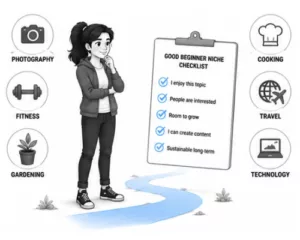

If you’ve spent any time researching ways to make money online, you’ve probably noticed something confusing. One person tells you to start a YouTube channel. Another recommends TikTok, Instagram, or Facebook. Some even claim you don’t need a website anymore because social media can do everything for you.
With so many different opinions, it’s easy to wonder whether building a website is even worth the effort. After all, if people are already making money through social media, why spend time creating something of your own?
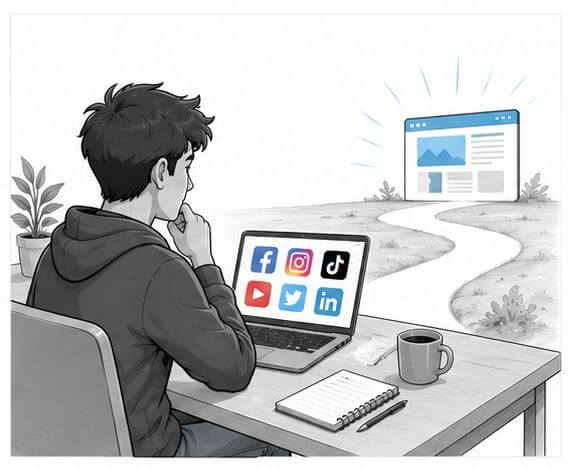
Can You Build an Online Business Without a Website?
The truth is that plenty of people do earn an income without a traditional website. The real question isn’t whether it’s possible; it’s whether it’s the smartest long-term strategy.
Imagine spending years building thousands of followers on a social platform, only to have an algorithm change overnight. Your reach drops, your audience disappears, and suddenly you’re starting over on a platform you don’t control. It’s a situation that has happened to countless creators, and it’s one of the biggest reasons experienced entrepreneurs eventually build a website they truly own.
A website isn’t just another place to publish content. It’s your online home, a platform you control, where your work, your audience, and your business aren’t dependent on someone else’s rules. In this guide, we’ll explore why that distinction matters and help you decide whether building a website is the right next step for your own online business journey.
Why So Many Beginners Try to Skip Building a Website
If you’ve watched videos about making money online, you’ve probably noticed a common message: “You don’t need a website anymore.” On the surface, that sounds appealing. Creating social media accounts is free, takes only a few minutes, and lets you start publishing content immediately.
For beginners, it’s an attractive shortcut. Building a website feels more technical, while posting on social media feels familiar and easy. It’s no surprise that many people choose the path with the lowest barrier to entry.
The problem is that social media platforms and websites serve very different purposes. Social platforms are excellent for reaching new people and starting conversations, but they operate on rules you don’t control. Algorithms change, features disappear, accounts can be suspended, and yesterday’s successful strategy may stop working tomorrow.
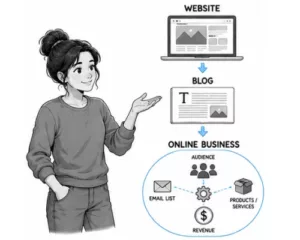
A website, on the other hand, gives you something far more valuable: ownership. It becomes the central place where people can always find your content, learn about what you do, and explore your recommendations without depending on the latest social media trends. Rather than replacing social media, a website works alongside it, giving your online business a stable foundation that you control.
Key Takeaway
Social media is excellent for reaching people.
A website is where you build something that truly belongs to you.
The strongest online businesses use both, but the website remains the foundation.

So if a website isn’t just another platform, what makes it such an important part of a long-term online business? In the next section, we’ll look at the biggest advantages of owning your own website and why it’s often the smartest investment beginners can make.
What a Website Gives You That Social Media Can’t
Social media platforms are fantastic for discovering new audiences, but they’re designed to keep people on their own platform, not to help you build an independent business. A website changes that relationship completely. Instead of borrowing someone else’s audience, you’re gradually building an online asset that belongs to you.
Think of your website as your digital headquarters. Every article you publish, every helpful guide you create, and every visitor you attract becomes part of something you’re building for the long term. Unlike individual social media posts that quickly disappear from people’s feeds, quality website content can continue helping readers and bringing in visitors for months or even years.
A website also gives you the freedom to organize your content exactly how you want. You decide what visitors see first, how they navigate your resources, and which topics deserve the most attention. That level of control makes it much easier to guide people through a learning journey instead of hoping an algorithm shows them your next post.
Perhaps most importantly, a website grows with your business. Whether you eventually recommend products, publish in-depth tutorials, build an email list, or create your own services, your website becomes the foundation that connects everything together.
Your Website Becomes Your Digital Home
Unlike rented platforms, your website gives you one permanent place where people can always find your work. As your content library grows, so does the value of your website, not just for search engines, but for readers looking for trustworthy information.
Content Keeps Working Long After You Publish It
A helpful social media post might be seen for a day or two. A well-written article can continue attracting visitors for years. That’s one of the biggest advantages of building a website around evergreen educational content.
You’re Building an Asset, Not Just an Audience
Followers are valuable, but they ultimately belong to the platform they’re on. A website is different. Every improvement you make adds value to something you own and control, creating a stronger foundation for future growth.
✓ Benefits of Building Your Own Website
- You own and control your content.
- Visitors can easily find your complete library of resources.
- Evergreen articles can generate traffic long after they’re published.
- You create a professional home for your brand.
- Your website can grow alongside your business for years to come.
Common Beginner Mistake
Many beginners spend months trying to grow on social media before building a website. While social platforms are excellent for reaching new audiences, relying on them alone means you’re building your business on platforms whose rules can change at any time.
Whenever possible, think of social media as a bridge that leads people back to a website you own.
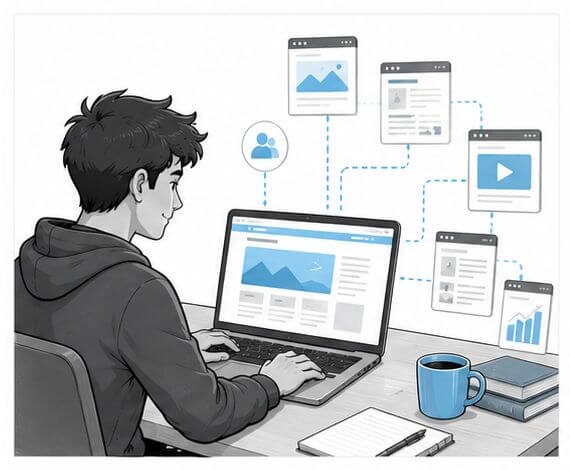
Owning a website clearly offers long-term advantages, but does that mean you need a perfect website before you can begin? In the next section, we’ll look at a practical approach that helps beginners get started without feeling overwhelmed.
Start Simple: Your Website Doesn’t Have to Be Perfect
One of the biggest misconceptions about building a website is believing it has to look perfect before anyone can visit it. In reality, almost every successful website started as a simple collection of helpful pages that gradually improved over time.
Your first website isn’t meant to impress millions of people. It’s meant to give you a place to publish valuable content, learn new skills, and create something you truly own. Every article you write and every improvement you make build on that foundation, making your website more useful with each passing month.
Trying to design the perfect website before publishing your first article often leads to unnecessary delays. A clean, easy-to-navigate website with genuinely helpful content will almost always outperform a beautiful website that never gets finished.
Instead of aiming for perfection, focus on building a website that allows you to learn by doing. As your confidence grows, your website can grow with you.
✓ A Simple Way to Get Started
- Choose a topic you’re genuinely interested in helping people with.
- Build a clean, easy-to-use website rather than a complicated one.
- Publish your first helpful article instead of waiting for perfection.
- Improve your website gradually as you gain experience.
- Focus on helping readers rather than chasing flawless design.
Remember, every successful website you admire today once had its very first article.
Try This Today
Instead of asking yourself “How can I build the perfect website?”, ask
“What is the simplest website I could create that genuinely helps one person today?”
That small mindset shift often turns planning into action.

By now, you’ve probably noticed a common theme running through this guide: a website isn’t about having the fanciest design; it’s about creating something you own and can continue improving over time. Let’s finish by looking at why that’s such an important mindset for long-term success.
Your Website Is an Investment in Your Future
If there’s one idea I’d like you to remember from this guide, it’s this: a website isn’t just another tool; it’s something you own.
Social media platforms will continue to evolve. New apps will appear, algorithms will change, and trends will come and go. Those platforms are incredibly valuable for reaching new audiences, but they were never designed to become your permanent online home.
A website is different. Every article you publish, every visitor you help, and every improvement you make adds value to something that’s entirely yours. Over time, your website becomes more than a collection of pages; it becomes a growing resource that reflects your knowledge, experience, and commitment to helping others.
The good news is that you don’t need to build everything at once. A simple website with a clear purpose is far more valuable than waiting months for a perfect one that never gets launched. Every successful online business started with a first page, a first article, and a willingness to improve over time.
Whether your goal is to share your passion, build an audience, or eventually create multiple income streams, your website provides a foundation that can grow alongside you for years to come.
A Thought to Remember
Social media helps people discover you. Your website gives them a reason to stay.
Build your online business on something you own, then use every other platform to help people find it.
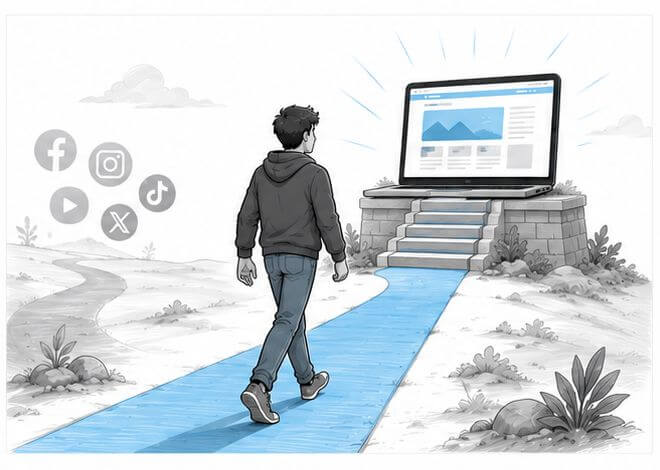
Ready to Build Your Own Online Home?
Choosing a niche gives your business direction, but your website is where that direction begins to take shape. If you’re ready to move beyond ideas and start building something you truly own, the next step is learning the process one stage at a time.
That’s exactly why I created the Free 4-Step Roadmap. It walks you through the same beginner-friendly journey we’ve explored throughout this guide, from choosing your direction to building your website, attracting visitors, and creating sustainable revenue streams.
Start the Free 4-Step Roadmap →Continue Your Learning
- How Often Should I Publish New Content?

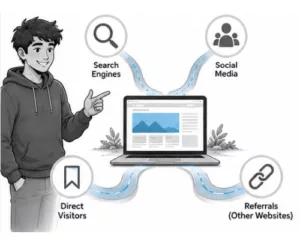
- Where Does Website Traffic Actually Come From?
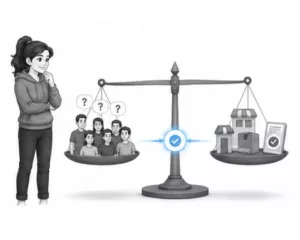
- How Do I Know If a Niche Is Profitable?
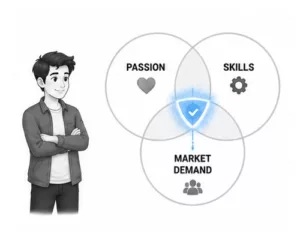
- Should I Follow My Passion or Market Demand?
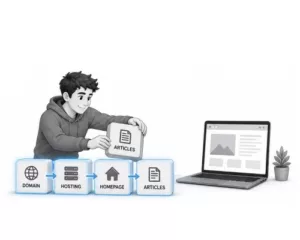
- How Difficult Is It to Build Your First Website?
- Is SEO Still Worth Learning Today?

- What's the Difference Between a Website, Blog, and…
- What Makes a Good Beginner Niche?